 We are TPS
Cargo transfer and temporary storage is our core business.
The company originated from Ultramar, a group of companies founded in Chile in 1952, leader of the maritime, port and logistics activity; with more than 70 years of experience in this field.
Our trajectory is marked by constant growth, competitiveness, and efficiency.


Cargo transfer and temporary storage is our core business.
The company originated from Ultramar, a group of companies founded in Chile in 1952, leader of the maritime, port and logistics activity; with more than 70 years of experience in this field.
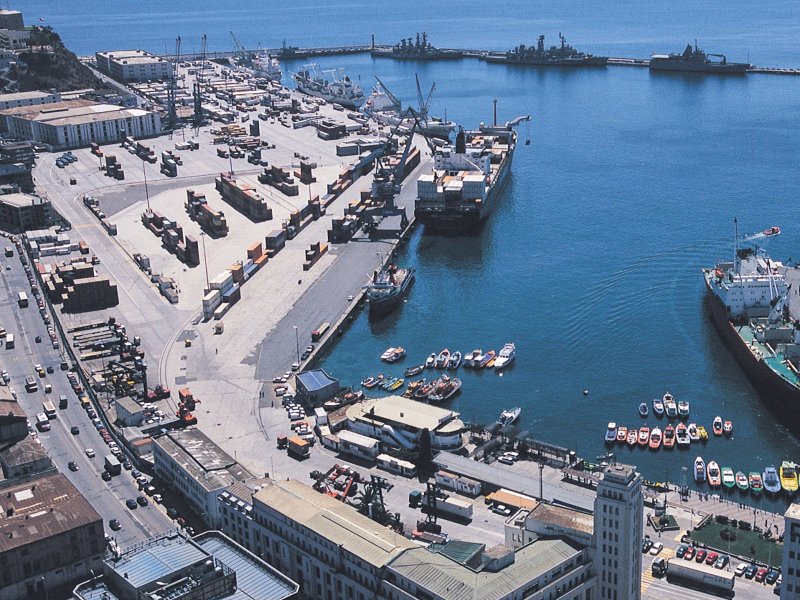
TPS started operations as concessionaires of Terminal 1 of Puerto de Valparaíso. TPS gained an ISO 140001 certification and, one year later, OHSAS 18001 certification.
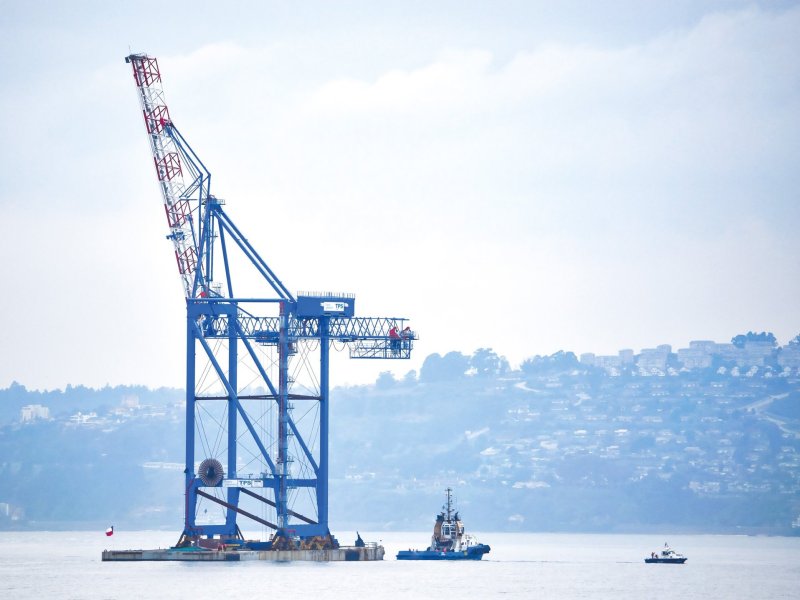
TPS received the first two Ship-to-Shore quayside gantry cranes, for the transfer of containers, and incorporated the first two Rubber Tyred Gantry (RTG) yard cranes. TPS was the first terminal in Chile to be awarded the ISPS Code certification.
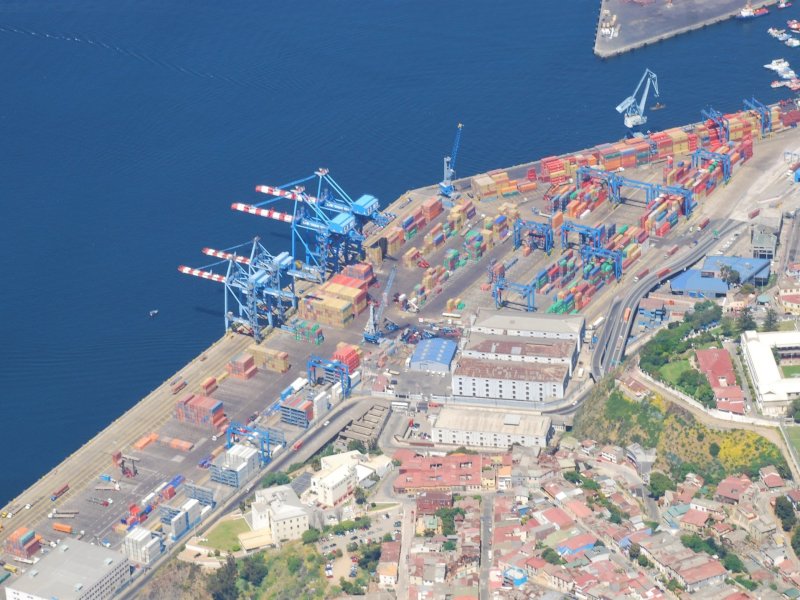
We implemented a a closed-circuit television (CCTV). TPS has 4 STS cranes, 8 RTG yard cranes, 3 mobile cranes and 19 container handling cranes. TPS reached 926 thousand TEUs transferred in the period, a historic record of transferred volume in our country.
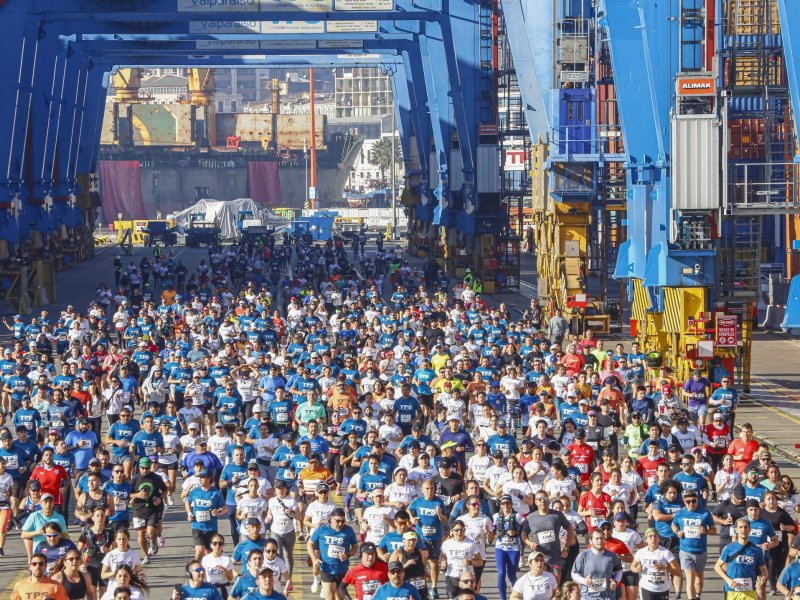
30 passenger vessels, almost 100,000 people called at the TPS. The first Marathon, open to all community members, with the first route inside a port terminal, among cranes and containers, was organised by TPS Valparaíso.
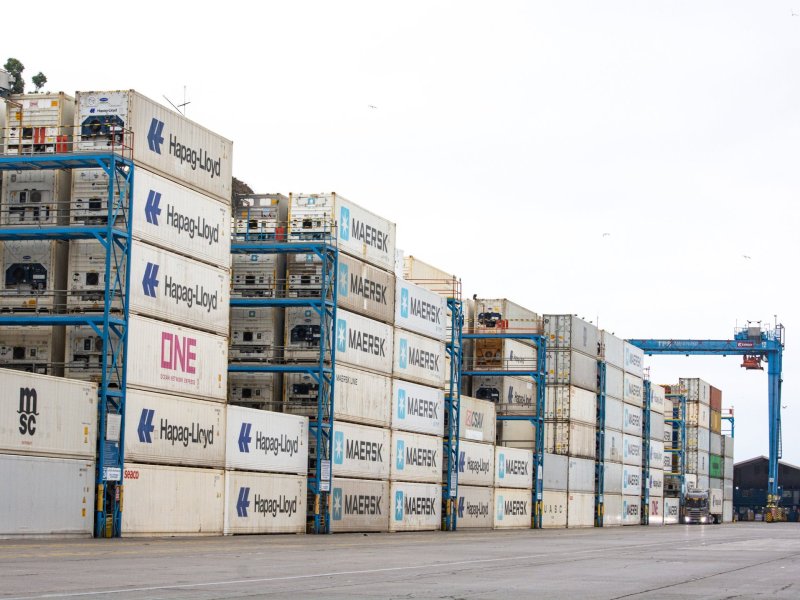
We started measuring our Carbon footprint with the most acknowledged techniques in the world. TPS has been awarded the ProPyme Seal, guaranteeing the payment of suppliers in 30 days. TPS published its first sustainability report.
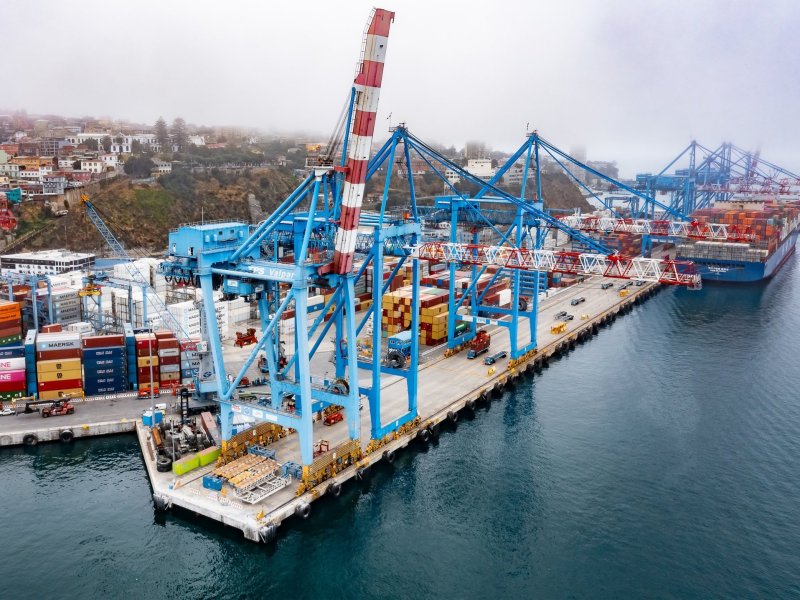
TPS started up the NAVIS operational system, the most used by high efficiency terminals worldwide. TPS completed the most important port expansion of Valparaíso in a century, adding 120 metres to the main mooring facility. TPS included 3 new STS gantry cranes and reached 1 million TEUs in one year.
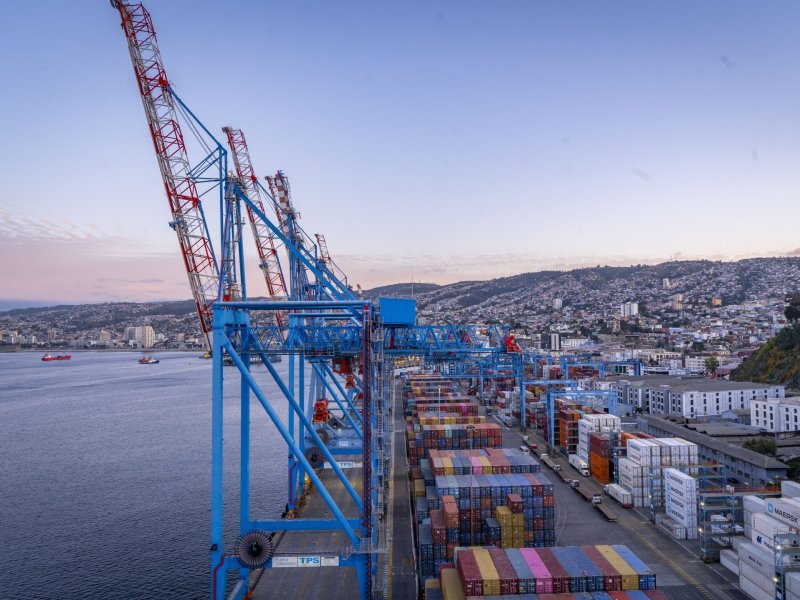
TPS carried out the first controlled collapse in Chile of one of our gantry cranes, to continue improving our operation regarding vessel attention, by removing the crane with a lesser reach. TPS guarantees that the terminal runs on 100% renewable energy.
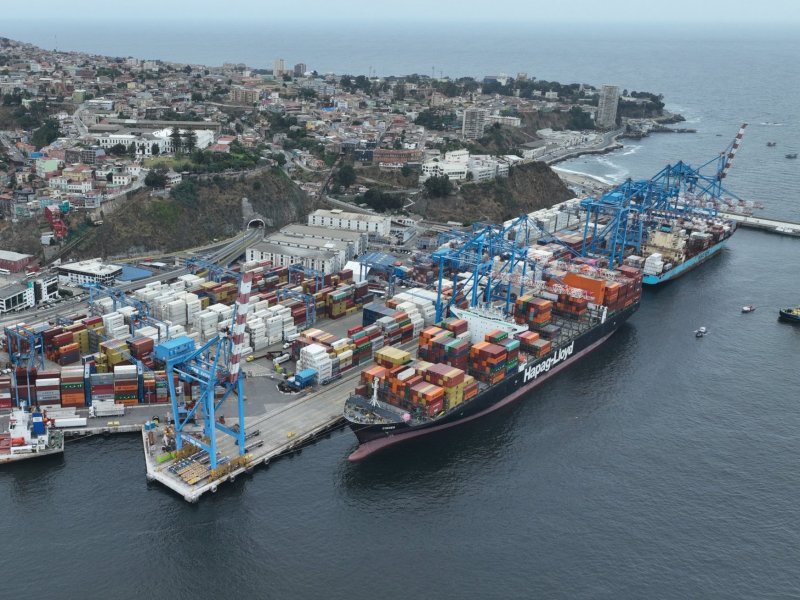
TPS is Chile’s main fruit exporting port; additionally, formally started the transition to Circular Economy and the Diversity, Equality and Inclusion Programme and created the Initiative Conoce tu Puerto [Get to know your port], which promotes the pride of the port-city relationship.
 TPS Informa | Operaciones Fiestas Patrias 2026